
 By L. Dennis Burns, CAPP
According to the National Association of City Transportation Officials (NACTO), shared micro-mobility devices like bikes and scooters provided more than 84 million trips across the U.S. in 2018. While these numbers are impressive and contribute to reductions in urban area congestion and greenhouse gas emissions, I have been worried that the e-scooter industry in particular may be facing an uncertain future as it struggles with escalating accident rates and negative headlines.
I recently read an article entitled: “Micro-Mobility Contest Wants to Spark Data-Based Storytelling.” In this article, e-scooter operator Spin is leading a project in partnership with data firms StreetLight Data and Populus to make troves of micro-mobility data available to nonprofits advocating for safer streets.
According to the article, “Advocates working for improved bike, pedestrian, or other micro-mobility projects in cities across the U.S. could soon have access to new datasets, as they make their case to officials. Spin, an operator of e-scooters, is leading a pilot known as the Mobility Data for Safer Streets (MDSS) which asks nonprofits and other micro-mobility advocacy groups to apply for one of up to five slots to participate in the program. The five winning organizations will have access to a year’s worth of mobility data collected by StreetLight Data and Populus, two leading data collection and analysis firms often used by cities, transportation agencies, and others looking to use traffic and other data to shape transportation policy.”
I am encouraged by this move to better use available data in advocacy for safer streets as cities and states work to shape the public policy to both regulate the devices and reshape the public streetscape to accommodate them. It will be interesting to see what comes from this initiative.
L. Dennis Burns, CAPP, is regional vice president, senior practice builder, with Kimley-Horn.
 In an effort to reign in shared e-scooters, France rolled out new rules Friday governing where, how, and by whom they can be used. Among them:
 In cities and on campuses around the world, e-scooters seemed to have revolutionized short-distance personal transportation. Some days, it feels like they’re everywhere. And headlines trumpet the potential dangers for riders, pedestrians, and drivers as the micro-mobility vehicles grow in popularity. It all brings up an interesting question: If someone rents an e-scooter and has an accident, who’s liable? And do you need insurance for e-scooters if your operation offers them?
 By Nathan Donnell
 Electric scooters, powered skateboards, roller skates, and e-bikes are among the micromobility vehicles banned on the San Diego State University campus starting this fall. Citing safety, the university announced that the vehicles may be parked in eight designated parking areas, but won’t be allowed for use on the main campus anymore.
 By L. Dennis Burns, CAPP
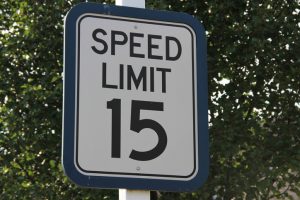 E-scooters pose an issue in many cities but perhaps none like New York, where they’re too slow for the street and too fast for pedestrian-packed sidewalks. The city is contemplating how to legalize the popular, often shared machines and there’s a new call for a scooter speed limit downtown.
 By Nathan Donnell