
 E-scooters and e-bikes will be able to operate on bike paths and sidewalks just like regular bicycles while respecting pedestrians just as regular bikes must in Ann Arbor, Mich., whose City Council gave unanimous preliminary approval to a personal mobility vehicle ordinance last week.
The growth of micro-mobility in the city led to preliminary adoption of the ordinance, which also gives riders the same rights on roads as motorists and lets them park in spaces designated for bikes and cars. It also spells out what riders are responsible for, including safety and personal responsibility around pedestrians.
The regulations are scheduled for a final vote Sept. 20.
 New York City, long a holdout against e-bikes and e-scooters, this week legalized the mobility devices in response to the COVID-19 crisis. Delivery workers using the motorized devices have, until now, faced fines and having their rides confiscated, but lawmakers said e-bikes and scooters will help those people keep working at a time when they’re needed.
 Electric scooters, powered skateboards, roller skates, and e-bikes are among the micromobility vehicles banned on the San Diego State University campus starting this fall. Citing safety, the university announced that the vehicles may be parked in eight designated parking areas, but won’t be allowed for use on the main campus anymore.
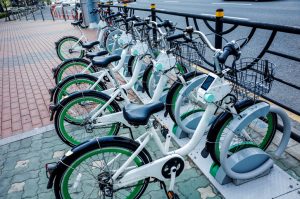 That might have been fast: About a year after dockless bike-share started making headlines, many cities and suppliers are moving away from them, shifting their fleets to dockless e-bikes or scooters instead.