
 Soccer fields are popping up all over Atlanta, all at transit stations. And it makes perfect sense.
The city’s MARTA stations need a lot of space and the land directly adjacent to–and sometimes underneath–platforms largely went unused. They tried building an amphitheater at one in the 1970s but it never attracted performances or people. So a local nonprofit that combines soccer with mentoring and employment programs floated the idea of a slightly smaller-than-regulation soccer field, which would let families use mass transportation to get to practices and games and use that land in a way that benefits the community. The first was built in 2016, another opened earlier this year, one’s under construction now, and seven more are planned for the next three years. The land is being used, families love the new fields, and the hope that people would use the trains to get there has come to fruition.
Read about the project here. To learn more about Soccer in the Streets, the nonprofit behind the effort, click here.
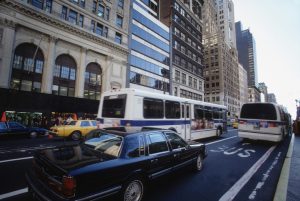 New York City, like many urban areas, is watching bus ridership numbers fall and buses themselves get slower. It’s a cycle: More transportation options mean people opt out of the bus for cars, which means more traffic, which means slower buses, which means more people opt out, and revenue drops right along with ridership. So the city is undertaking a concerted effort to get more people on buses and then get those buses moving faster again, and they’re taking an innovative first step to get there.
 Just when you thought you had bike-sharing down, there’s a new trend in town and some say it might make the bike-share market seem tiny in comparison. It’s electric scooter-sharing, and spurred on partially by nostalgia, partially by practicality, and partially because it’s just fun, it’s predicted to be the next hot trend in transportation.